AI is now an extremely commonly used word like ‘Google’ became in the early 2000’s and is rapidly becoming part of everyday business technology. From Microsoft Copilot, Google Gemini, Claude and AI-enhanced meetings through to intelligent search, automation, and advanced data analysis, modern software is increasingly being built around AI capabilities.
As a result, a new category of devices has been swiftly emerging in the market: the AI PC.
Major manufacturers such as HP, Dell, Lenovo, ASUS, and Microsoft are now heavily investing in AI-enabled laptops and desktops designed specifically to support the next generation of business workloads.
But what exactly is an AI PC, how is it different from a traditional computer, and should New Zealand organisations be considering them as part of their next hardware refresh.
So, what exactly is an AI PC?
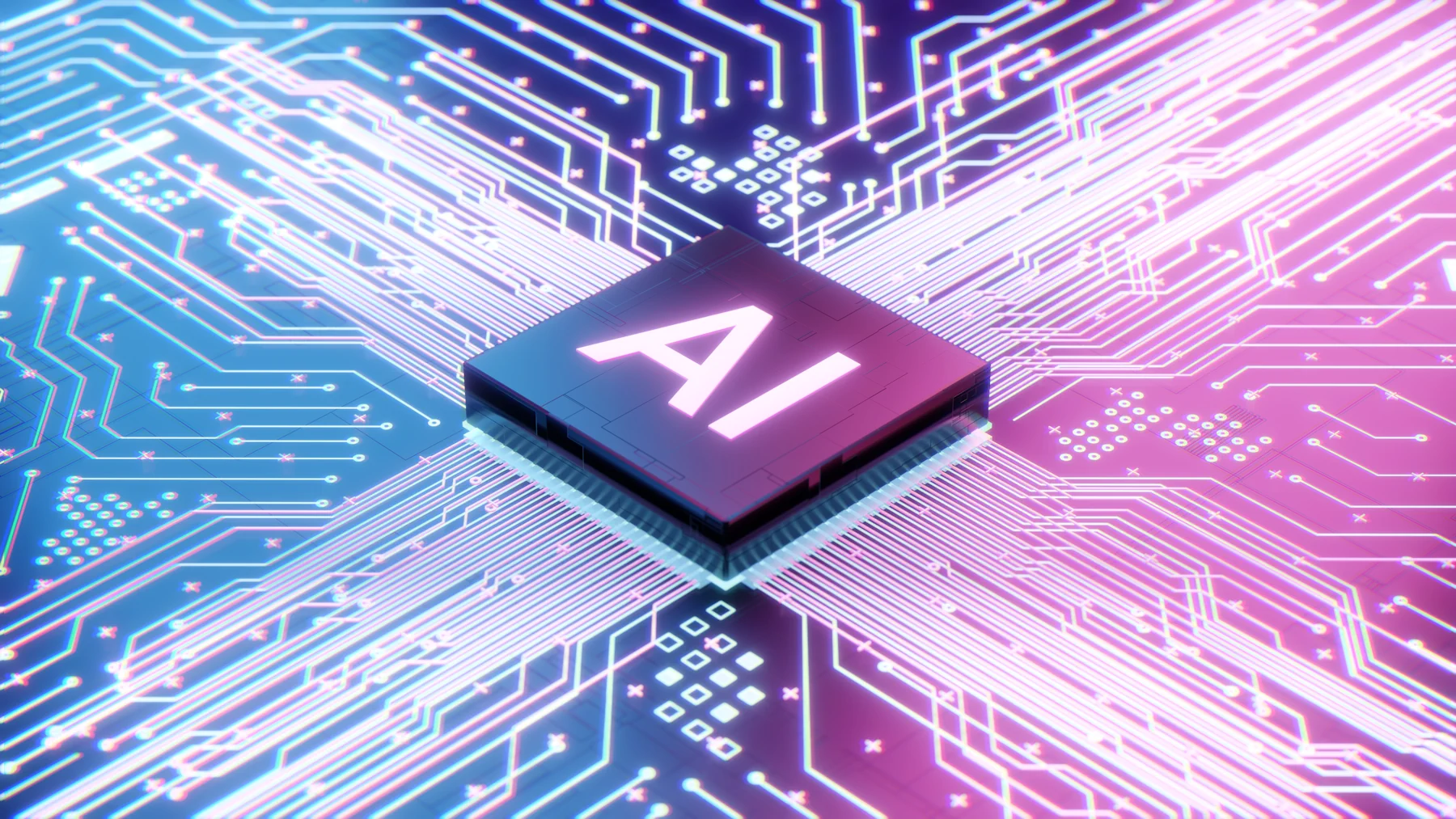
An AI PC is a computer designed with specialised hardware that can process Artificial Intelligence workloads directly on the device itself, rather than relying entirely on cloud-based processing.
Traditional Business PCs primarily use:
- A CPU (Central Processing Unit) for general computing tasks
- A GPU (Graphics Processing Unit) for graphics and parallel processing
AI PCs introduce a third key component:
- An NPU (Neural Processing Unit)
The NPU is specifically designed to accelerate AI-related tasks such as:
- Real-time language processing
- AI-assisted productivity
- Video conferencing enhancements
- Image recognition
- Local AI model processing
- AI-generated content and automation
Why are AI PCs becoming so important?
Software vendors are rapidly embedding AI into their platforms.
Examples already appearing in business environments include:
- Microsoft 365 Copilot
- AI-powered Teams meeting features
- Intelligent document summarisation
- AI-enhanced cybersecurity
- Automated content creation
- AI-assisted search and workflows
Modern AI PCs are designed to run many of these functions more efficiently and with lower power consumption than traditional Business Laptop and Desktop PC devices.
Benefits of AI PCs for organisations:
- Improved Productivity – accelerated tasks.
- Better video conferencing experiences – AI-enhanced features.
- Longer battery life – NPU handles AI tasks more efficiently than the CPU or GPU.
- Enhanced privacy and local processing – some tasks can be processed locally on the device rather than sending data to cloud services.
- Future-proofing desktop hardware investments.
Potential drawbacks of AI PCs
- Higher upfront cost for desktop hardware – new processor architectures, integrated NPUs and higher RAM requirements.
- Not all users at an organisation need AI capabilities.
- AI software is still evolving – Although AI hardware is advancing rapidly, some business applications are still catching up.
Final thoughts
AI PCs represent a genuine shift in how modern computers are being designed by all the big manufacturers.
While traditional business laptops remain perfectly capable for many users today, AI PCs are positioning themselves as the next generation of business computing by introducing:
- Dedicated AI acceleration
- Improved power efficiency
- Better support for AI-enabled software
- Enhanced collaboration experiences
- Stronger long-term future readiness
For New Zealand organisations evaluating their next hardware refresh, AI PCs are increasingly worth serious consideration. Particularly where Microsoft Copilot or other AI platforms, hybrid work, security, mobility, and long-term lifecycle planning are priorities.
The key is ensuring the desktop hardware aligns with the actual needs of your users and your organisation’s future technology roadmap.